



Johanna Augustin examines how snacking brands are meeting the new protein consumer
Protein snacks are entering an exciting new era of relevance – great for brands looking to shake things up. While traditional players like Grenade are still the market leaders in the UK, representing the traditional audience of serious gym-goers, a new consumer is emerging that is moving the sector from necessity into lifestyle appeal.
Those consumers (particularly the ‘non-dairy generation’ on a constant hunt for superior and flavourful protein options) want more than fuel for muscle building. They crave products that aren’t just functional but indulgent, emotionally resonant and aesthetically appealing. Brands now face an interesting challenge: how to ride the protein craze in an authentic, innovative way without leaning too far into gimmickry or over-saturation.
Beyond functional benefits
The global protein snacks market is estimated to account for $4.92 billion in 2025, growing to a value of $10.83 billion by 2035 (Future Market Insights). The category has also come a long way, with protein evolving into a mainstream symbol for ‘better-for-you’ choices. From protein cereal to popcorn and even donuts, there’s now a protein-packed item for nearly every category. So, there is clearly space for brands to claim.

However, success in the current landscape isn’t simply a matter of slapping a ‘high in protein’ label onto packaging. Modern consumers, particularly younger ones, have grown up in a world saturated with product claims, so they demand more. If you truly want to stand out or make the most of the opportunity, you need to tell a story that resonates on a deeper emotional level.
Consider Khloe Kardashian’s new Khloud Protein Popcorn which launched earlier this year. The product itself is no revolution in nutrition, but the branding and marketing behind it make it appealing. Celebrity endorsement and a cleverly crafted story turned what could have been just another snack into an aspirational lifestyle choice. The popcorn isn’t marketed as merely ‘healthy’; it’s positioned as fun, modern, guilt-free, even more feminine.
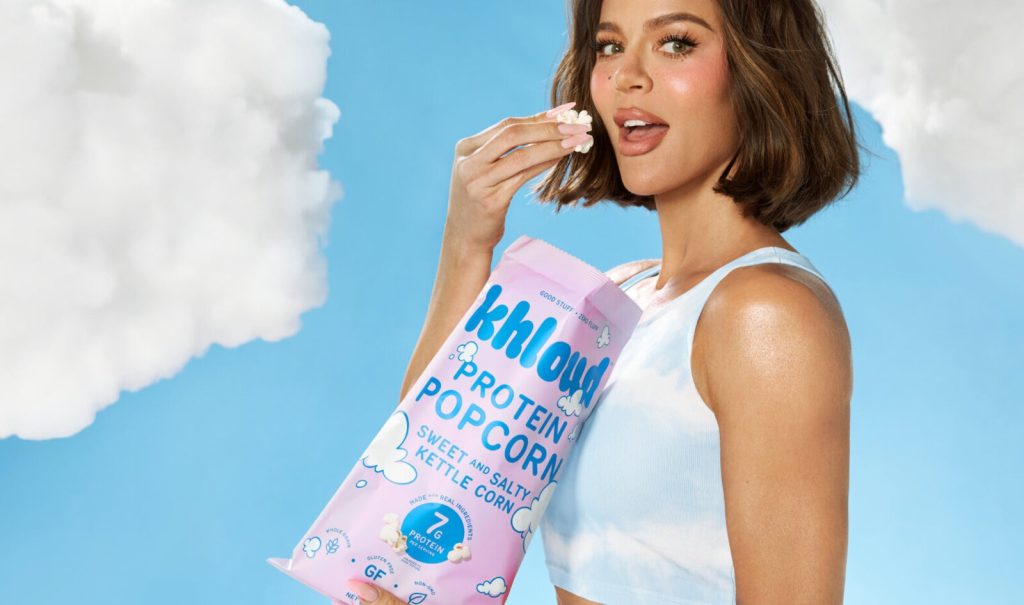
This exemplifies the shift from functionality to feeling, where storytelling and design matter as much as nutritional content. Brands that fail to recognise this will be left behind in an increasingly sophisticated category.
Avoiding the gimmick trap
Of course, as with any booming market, the protein trend comes with its own risks. The most obvious danger is oversaturation. Each day, new products tout their protein credentials, crowding supermarket shelves and making it increasingly hard for consumers to differentiate between true innovation and meaningless marketing. For example, for some, Khloe’s popcorn begs the question “but why?”. Is it really necessary to add protein to something as inherently wholesome as popcorn, one of the simplest snacks out there? Or the recent launch of a high protein version of popular kids snack Babybel – does cheese really need an extra protein boost?
Adding protein to products where it clearly doesn’t belong is also testing credulity – protein ketchup or soda anyone? Consumers can spot hollow attempts to jump on a trend, and such gimmicks can erode trust while diluting the credibility of the protein category itself.
The playbook for success
For brands eager to capitalise on the protein boom and connect with the new protein consumer in an authentic way, creativity and a thoughtful approach are at the heart of a new playbook for success.
Tell a bigger story: For example, successful brands are weaving protein into narratives far deeper than ‘good for you’. They’re tapping into nostalgia, fun and indulgence. Surreal cereal is a prime example. This innovative UK brand has cleverly disrupted the breakfast aisle by reimagining nostalgic childhood cereals. Its promise? The taste of Frosties or Cocoa Pops, but without the sugar crash and with the added benefits of protein. It’s the kind of balance that perfectly demonstrates where the market is heading – products that offer both familiarity and functionality, with a playful, engaging twist.
Prioritise visual and emotional appeal: Today’s shoppers, particularly younger ones, are drawn to bold, playful designs. Generic, plain packaging with all the expected cues of health and sensibleness no longer passes muster in an era where products must work harder to stand out. The younger, ‘non-dairy’ generation is used to connecting with brands on an emotional level, so you need to build your brand with that emotional connection in mind. Don’t just talk about benefits; talk about a moment, a vibe, a lifestyle dream. The B.T.R Nation (below) in the US, for example, taps into a vibe of millennial wellness, mission-first, with a bold, tenacious and resilient attitude. In the UK, meanwhile, Misfits’ visual identity and messaging are designed to appeal to younger, trend-conscious audiences.

Innovate with purpose: No matter what your brand approach, you should resist the impulse of adding protein to every product for novelty’s sake. Ask yourself whether protein enhances the product’s value and whether an innovation makes sense within its category. Protein popcorn works because it merges health and snacking fun. Protein ketchup? Perhaps less so. Consumer opinion is often split on what the line is between bandwagon and true benefit. For example, while some saw Ben & Jerry’s Moophoria Light Ice Cream as a genuine attempt at health-conscious indulgence, others deemed it an unnecessary brand extension. So, it’s a line that needs to be navigated carefully.
Create everyday luxury: Protein snacks don’t need to feel exclusive or niche, but they can feel special. Some disruptor brands are doubling down on indulgence – whether through cues of nostalgic comfort or luxurious treat. Trubar is a prime example. With its women-centric messaging and heightened aesthetic, it focuses on indulgent flavours and playful visuals that dial up opulent taste.
As the protein snack category evolves, driven by the changing expectations of a new generation of consumer, the space for creativity and differentiation is wider than ever, and brands must elevate their approach. It’s an opportunity to tell powerful stories, reinvent familiar favourites, and deliver innovation that resonates deeply with modern shoppers. Those who can balance authenticity with creativity will be able to carve out a space as the new generation of protein power brands.
Johanna Augustin is the CEO of Pond