




Neil Farmer assesses the environmental challenges facing packaging in 2026 and beyond
In the November issue of FMCG CEO I said I would return in the New Year to write about the many environmental issues facing the packaging industry.
In the months that have elapsed since I wrote that original article, much has changed. It is fair to say that the whole packaging market is at the crossroads on many important issues. A mixture of weak growth and higher prices could lead to stagflation in many western economies. Growth and greater sustainability should never be regarded as being mutually exclusive, yet in the current climate they seem poles apart. As a result, the circular economy seems a long way off in the packaging sector. I remain concerned about the performance of the industry in environmental issues and would like to assess the position on some of these as 2026 proceeds.
EPR: can it deliver where the system has failed?
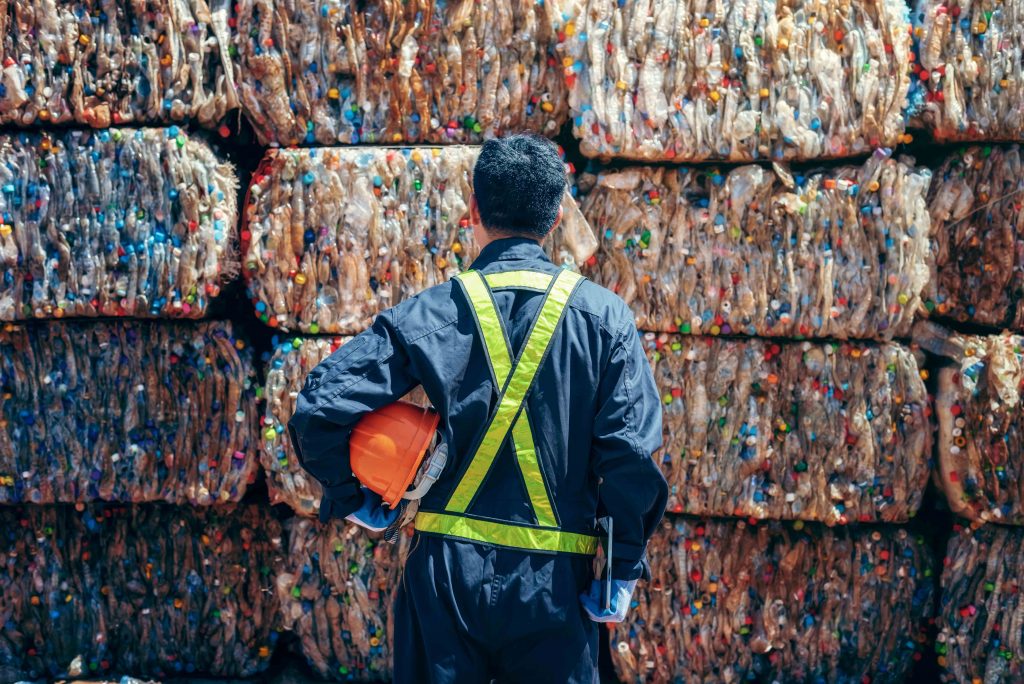
One of the burning issues in the UK industry is EPR, which will come under massive scrutiny in the coming year. After an initial £2 billion plus investment the scheme has simply got to succeed. As we already know, councils in England will receive £1.1 billion to spend on streamlined recycling collections, building new infrastructure or upgrading facilities. Many, the author included, have questioned whether EPR fees will be invested in infrastructure or whether the money is even sufficient for the needs. EPR revenues are designed to cover the net cost of packaging waste management. If a major turnaround in waste management is to be achieved, it will require far more than this initial sum of money. It is estimated that total waste management is no more than five percent of local authority expenditure. As things stand, recycling rates are flat-lining at best and the scheme must demonstrate that it can improve the performance in this most fundamental and simple of tasks. With many UK and European recyclers closing, it is hard to see much progress short-term. It is a fact that UK recycling is not economically viable and faces termination, as I have said many times before.
EPR in practice, not theory
This all makes the efficient performance of EPR even more critical. The cost of the system to companies is a variable figure derived from fees paid by packaging producers. The fees are determined by the weight and the type of packaging that businesses introduce onto the market. The levy puts pressure on manufacturers to manage product packaging, logistics and transport costs in as efficient a way as possible. In December 2025, Pack UK, the administrator of the EPR scheme, published its illustrative material base fees for 2026. The fees reflected updated packaging tonnages and inflation, as set out in the packaging EPR legislation. The fees for each material are similar to those of 2025 and Pack UK should be congratulated on providing these figures at the earliest opportunity. Whilst the administrator made it clear that the fees are intended to help with planning, they are likely to change as producers provide more data and compliance monitoring returns. Nevertheless, it is extremely helpful that Pack UK has produced these fees for guidance.
Why perception may decide EPR’s fate
New initiatives always encounter teething problems and EPR has certainly had its share. The case of companies being mistakenly charged EPR fees multiple times illustrates the point. According to the administrator, 484 businesses were affected, with some fees collected twice or even three times. The problem related to direct debit payments which were set up before 24 November 2025. Pack UK said it would issue full refunds but this did not put the efficiency of the operation in a good light.
Then there has been the issue of the Environment Agency needing to chase a reported 1,000 businesses that are avoiding paying EPR, through various means. It is understood that the exercise did not produce as much packaging as was envisaged and with local authority charges increasing with inflation, higher fees have ensued.
These types of issues will not fill the public with great confidence in the whole process, particularly as they were widely reported in the media. Consumer trust in central government performance is at an all-time low and local authority efficiency is viewed skeptically by many. There is a widely held view that the money allocated to EPR is simply another tax, which will result in higher prices of products on the shelf, driving up inflation and increasing the cost of living. The scheme is likely to add 0.5 percent to food prices, an estimated £100 annually per household, if costs are fully passed to consumers. The challenge will be to convince consumers that EPR will not have a far larger impact on stretched household finances. It is the perception that matters, as is often the case. With so much at stake perceived performance is crucial.
The future of environmental policy – DRS
A shared Deposit Return Scheme (DRS) across England and Northern Ireland will be established from October 2027. Like others I am permitted to say “about time”, such has been the many delays since the original proposal in 2018. The scheme will allow for the collection of a range of single-use packaging such as metal and plastic containers. Once these products are collected, the buyer can reclaim a deposit charged on the original purchase. This will act as an incentive to return a range of materials for recycling or reuse.
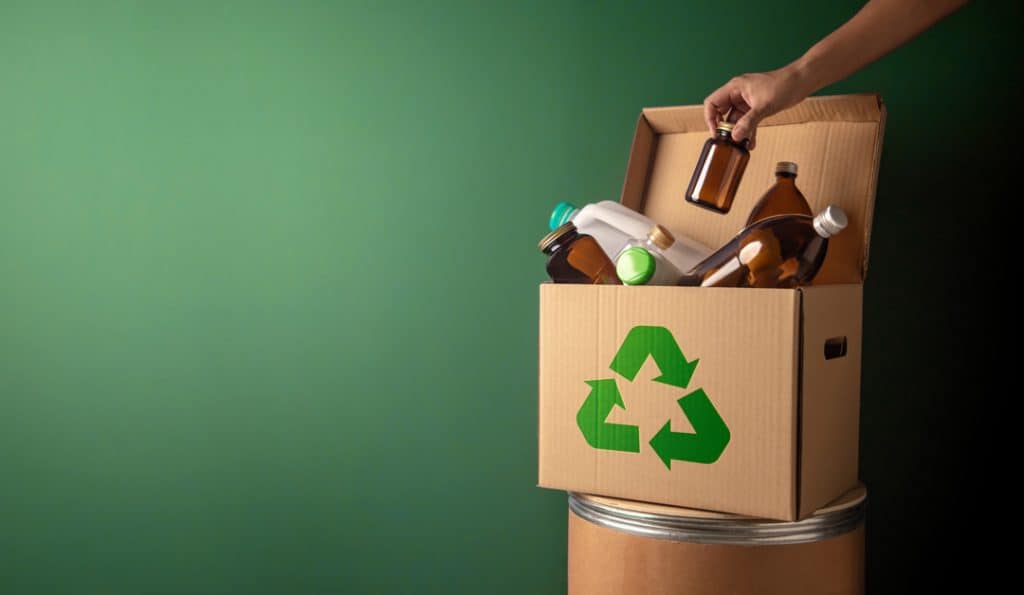
An already established UK Deposit Management Organisation (DMO) will lead the implementation of the scheme and will consider the challenges around supporting an industry-wide adoption. The DMO will also work to establish a similar scheme in Scotland.
The scheme is not without its challenges. For example, the Welsh government is committed to introducing its own DRS programme. It has opted to accept and provide a deposit on glass drinks containers.
This will not be supported via a separate DRS in Scotland or the shared approach planned for England and Northern Ireland. Devolved authorities have said they will work to ensure their systems are interoperable with other parts of the UK. However, Heineken has made it clear that multiple systems must avoid creating market barriers between Wales and other countries.
The UK’s track record of implementing environmental policy is poor. It is to be hoped DRS will finally be delivered. Proven technologies and successful DRS initiatives in many countries in Northern Europe should provide sufficient knowledge and wherewithal to help ensure the long-awaited goal finally comes to fruition.

