



GLP-1s are quietly dismantling long-held consumption habits. Simon Callender examines what this means for food and drink brands – and why the old volume-led playbook is breaking down
For all the noise, much of the food and drink industry still treats GLP-1s as a future problem rather than a present reality.
A health trend. A pharmaceutical curiosity. Something happening to consumers, not something fundamentally reshaping how, when and why people eat.
That assumption is already proving expensive, with Roisin Currie, CEO of Greggs, recently acknowledging that weight-loss drugs are impacting sales. In the US, the clearest signal came over Christmas, when grocery volumes fell despite seasonal tailwinds – a shift attributed in part to GLP-1 uptake.
Behavioural data paints an even starker picture: according to the 2025 QSR 50 report, people on GLP-1s are 59 percent less likely to visit coffee shops, 61 percent less likely to go to restaurants and 77 percent less likely to eat fast food.
This is a structural change to people’s behaviours.
And to understand why, it helps to step back. In 1955, half the world’s population was undernourished. Fast forward to now and the UN predicts that half the global population is obese or morbidly obese.
In the UK alone, up to 80 percent of people report experiencing “food noise” – the intrusive mental chatter around eating, cravings and guilts that persist even in the absence of hunger.
GLP-1s quiet that noise. And once that happens, many of the norms the food and drink industry is built on begin to unravel.
What are GLP-1s and why is society primed for them?
GLP-1 receptor agonists were originally developed to treat type 2 diabetes. They mimic a naturally occurring hormone that regulates appetite and blood sugar.
The result is profound appetite suppression.
In a recent case study we conducted, many users reported consuming 20-35 percent less calories and a drop of 20-24 percent in body weight over eight months.
In the UK, Kantar stated that around 4.1 percent of the population took the drug in 2025, with more than 430,000 active prescriptions. In the past year alone, sales have increased sevenfold with pharmaceutical companies investing over £100bn annually into research and manufacturing.
The societal backdrop explains this acceleration.
Obesity costs the UK economy an estimated $98bn a year, with rates rising by more than 0.5 percent annually. Ultra-processed food, sedentary lifestyles and learned eating behaviours have collided to create a system few individuals can navigate alone.

Pair this with the fact that obesity rates remain disproportionately concentrated among the poorest in society and this tension between access, affordability and health outcomes will define the next phase of GLP-1 development, and consequently food and drink marketing.
12 ways GLP-1s will reshape food and drink
The extent to which GLP-1s will transform the way we interact with food and drink are further reaching than we may have first imagined:
-
Appetite reduction becomes the default
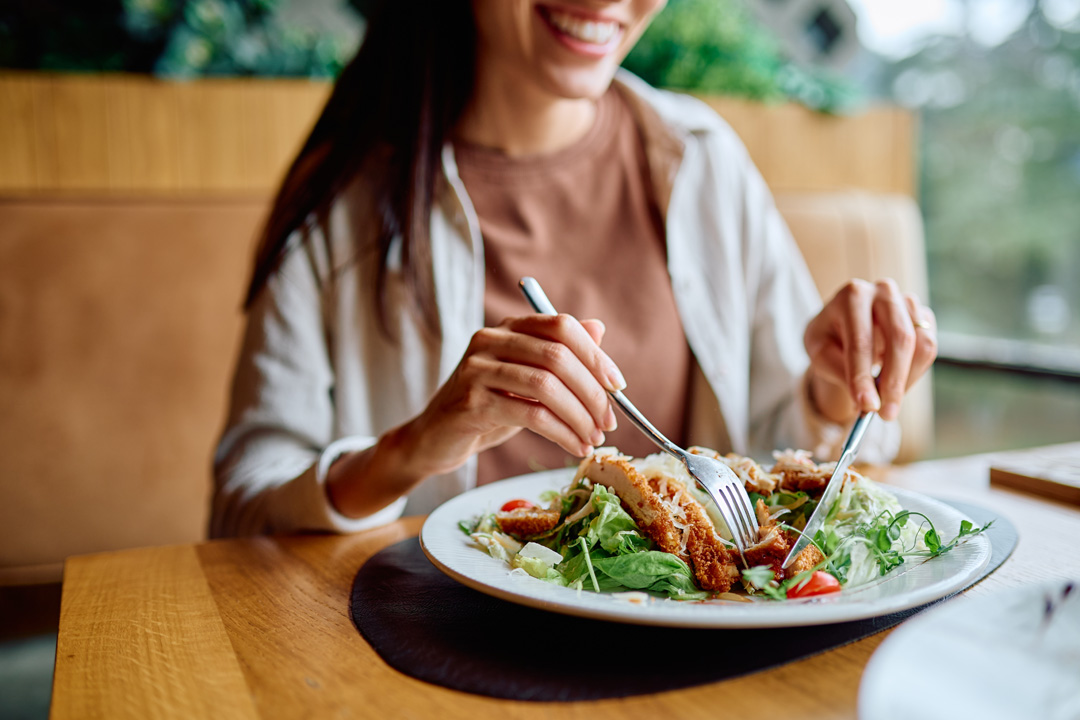
Recent Eli Lili data suggests more than 95 percent of GLP-1 users report eating and drinking less. The preference for smaller portions creates space for intentional portioning: compact meals, reduced pack sizes, brunch-style combined occasions and tightly curated sharing formats. In many ways, “enough” becomes the value proposition.
-
Health reframes choice, not sacrifice
Over half of GLP-1 users actively seek healthier options. Rather than reviving diet culture, this reflects a shift towards clarity and confidence in food choices. Transparent ingredient lists and recognisable inputs matter more than claims or buzzwords.
-
Scratch cooking regains relevance
As food noise recedes, a sense of control returns. Consumers want to understand what they are eating and why, benefitting ingredient brands and prepared food brands willing to be radically honest about composition and sourcing.
-
Nutrients move from niche to necessity
GLP-1 users become highly attuned to nutrient intake. Micronutrients, minerals and functional benefits matter, favouring products that clearly articulate what they contribute to the body rather than simply what they exclude.
-
Protein and fibre become non-negotiable
With a significant portion of weight loss stemming from lean mass, protein quality takes on new importance. Fibre, already chronically under-consumed, becomes a daily priority, driving growth in products that prioritise nutritional density over quantity.
-
Snacking is reshaped rather than removed
Snacking doesn’t disappear, but its role evolves. HFSS products face pressure from GLP-1 adoption, government regulation and the backlash against ultra-processed foods, making space for premium, nutrient-dense snacks that function as mini-meals or intentional treats.
-
Brand shift from pushing to guiding
GLP-1 users are learning unfamiliar signals around hunger, fullness and energy. Brands that offer reassurance, empathy and practical support are better placed to build trust, supported by new language centred on sustaining, maintaining and supporting rather than indulging.
-
Eating out becomes more deliberate
Fewer visits are paired with higher expectations. Restaurants must justify the occasion through quality and restraint, with refined menus and elevated experiences replacing abundance-led value.
-
Drinking moves from excess to ritual
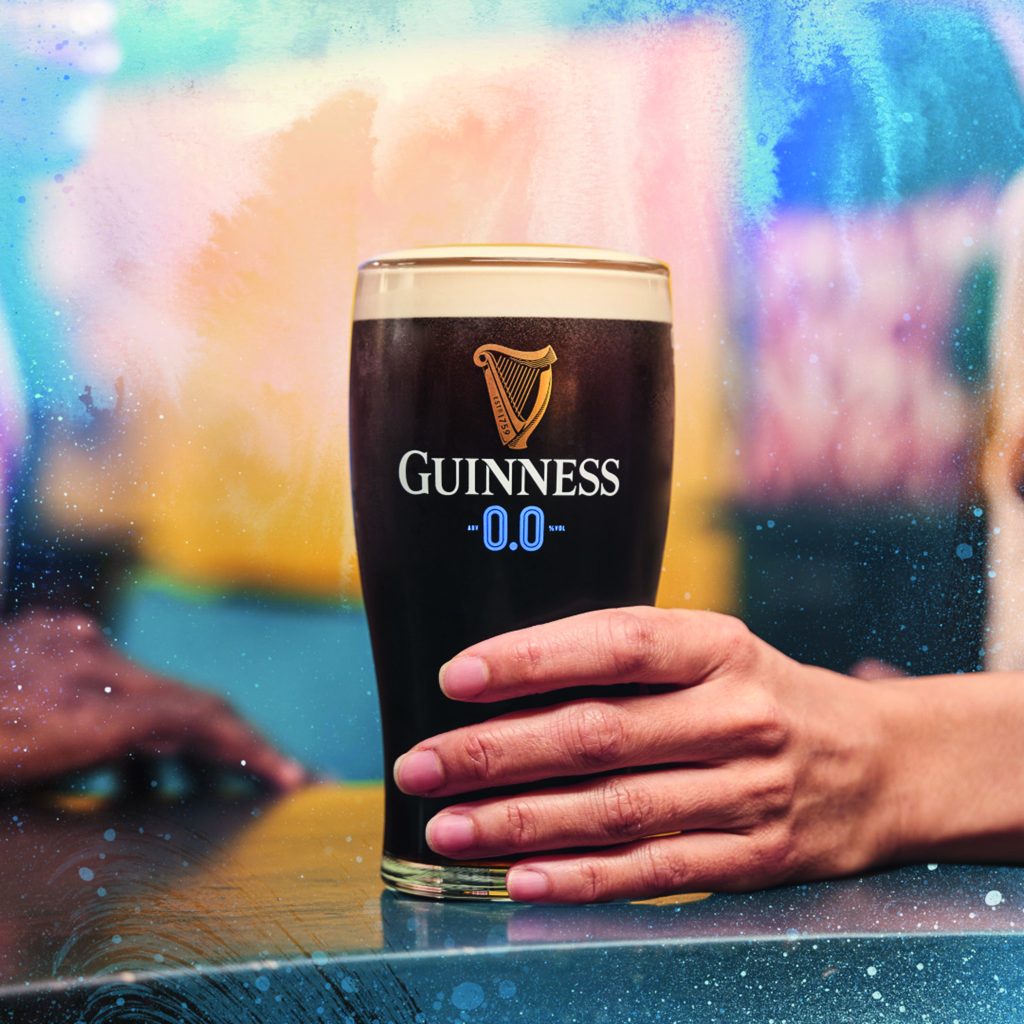
As GLP-1s reduce dopamine-driven cravings, including alcohol, drinking becomes less about escape and more about meaning. Smaller servings, premium formats and low and no options align with this more intentional social behaviour.
-
Premiumisation replaces volume growth
As consumers buy less overall, they trade up. Luxury versions of everyday items gain relevance, with success measured by being chosen rather than frequently consumed.
-
Younger users become the next growth wave
Wider adoption among younger audiences will follow falling prices and the introduction of oral GLP-1s. As this cohort enters the market, the implications for brands skew towards digital-first engagement and influencer-led discovery. Product naming, packaging and brand language will need to feel lighter.
-
Brand purpose shifts from positioning to proof
With weight and wellbeing under greater scrutiny, responsible marketing becomes non-negotiable. Brands that exploit anxiety will be punished, while those that are transparent and helpful stand out in a more emotionally aware marketplace.
Big changes are coming and faster than expected
What we’re seeing now is the expensive, imperfect version of GLP-1s.
With Mounjaro coming off licence in 2032, the market it set to open to competition and a reduction from its current £200-£300 monthly price.
Oral administration is coming, removing the psychological and practical barriers of injections. Side effects such as nausea, fatigue and headaches are already being mitigated through dose optimisation and next-generation formulations.
One in five GLP-1 users are willing to use them for life. While some users will move on and off them in cycles over time, the behavioural shifts they introduce are likely to persist.
That reality leaves the industry facing a strategic decision.
Brands can continue to sell the same food in smaller portions, preserving margin while allowing quality to stagnate. Or they can reimagine value by delivering nutritionally richer, higher-quality food that earns its place in a world where appetite is no longer guaranteed.
Neither option is necessarily right or wrong, but one thing is costly in a GLP-1 led market: indecision.
Simon Callender is Chief Strategy Officer at Initials CX