


Karama Khudairi explores what retailers must do to better meet the needs of the UK’s four million Muslims
UK supermarkets have become more and more adept at meeting the needs of their increasingly diverse shoppers. Anyone visiting their local Tesco, Sainsbury’s, Asda or Morrisons will know these retailers have significantly expanded their world food offerings to match Britain’s changing demographics. A raft of niche and specialist ranges have been introduced, more diverse events which celebrate inclusion and diversity for occasions such as Ramadan and Diwali are becoming more commonplace both in store and online, and there has been a stronger local community focus too, with product ranges being tailored to reflect the specific demographic of the communities surrounding individual stores.
It’s interesting though, that whilst shoppers represent a significant proportion of the population, with nearly four million Muslims now living in the UK and projections this will grow to 5.5 million by 2030, halal consumers are being hugely under-represented versus other ethnic groups and niche sections of the community. By way of example, according to the latest census data, there are 750,000 Polish nationals living in the UK. However, halal has around half the distribution of Polish foods in our supermarkets, despite the population being five times bigger.
It’s a similar story for Britain’s estimated 2.3 million people following a vegan diet, who are heavily over-represented with plant based food offerings versus halal options.
So why does this gap exist and why are Muslims being under-represented when it comes to availability of halal food in supermarkets?
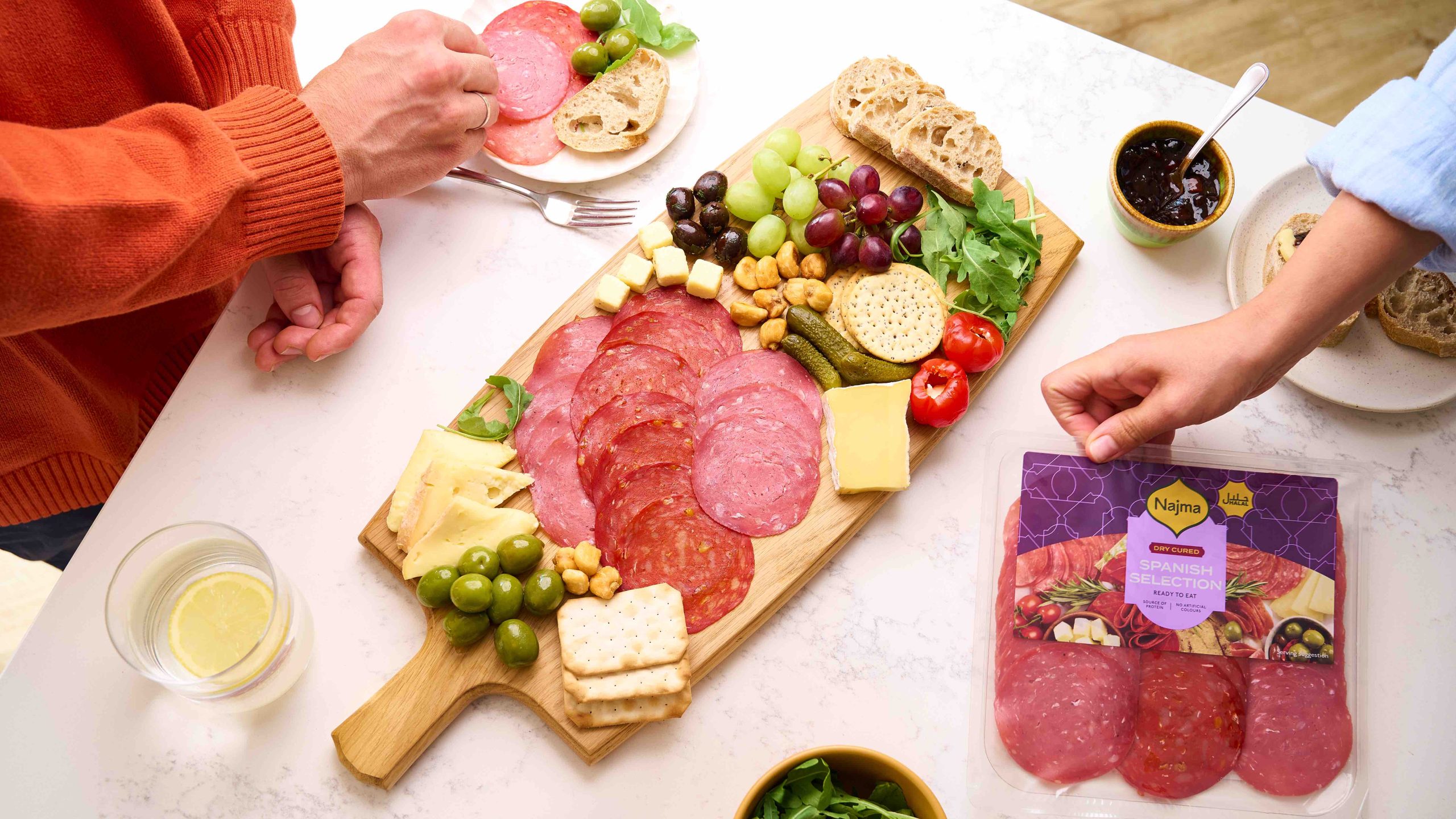
Strangely, there’s actually more choice than ever for halal consumers, with our own Najma and Jaldee Eats brands leading the way in bringing halal to the UK’s first, second and third generation Muslims. Halal convenience, ready-to-heat and on-the-go products have increased in number in the past few years, and there are more halal options which mimic Western foods than ever before, such as sandwich fillers, ready meals and tapas, providing greater consumer choice. Major supermarkets too are developing their own halal lines. So the tide is turning.
But one of the biggest causes of under-representation of halal is the significant regional differences when it comes to halal product availability, meaning many UK consumers are struggling to find halal products in their local supermarket.
The extent of this became evident in July 2025 when we questioned five-hundred UK Muslims about their halal buying habits as part of a wider piece of independent consumer research. Half of respondents said they find it difficult to hunt down trusted halal foods in the supermarket, and in Scotland the situation is even worse, with nine in 10 Muslim adults unable to find suitable halal foods for their needs. Halal shoppers in the North West of England, Yorkshire and Humberside, and Wales also claimed it was somewhat difficult to find halal products in supermarkets.
It’s clear consumers are looking for greater access to a wider variety of halal foods in their local supermarket. But often when they look for them, they’re simply not there.
We have been working to support retailers with their product ranging, particularly in the area of world food and halal, and by using the latest census data we can help them determine where niche populations are based and identify the product ranges required to meet those shoppers’ needs.
We know that macro space within retailers is set and difficult to change, particularly in chilled where space is at a premium. A lot of current store space is still based on 2011 census data which historically showed diverse groups grouped into a small number of urban areas. 15 years on and the diversification landscape looks hugely different. Second and third generation immigrants have spread out across the country and, as a result, this dispersion often isn’t reflected in the amount of retail space and range of products available to meet this changing shopper demographic. This clearly highlights the need for retailers to keep pace with the UK’s shifting population, as detailed in the very latest available census data, to ensure they can serve their customers’ needs accurately and effectively.
I recently visited a Tesco Extra store in Watford which has a very large world foods offer, particularly in ambient grocery. In contrast, its chilled world foods offer was incredibly limited, and it’s in this section that halal foods typically sit. This particular store isn’t an isolated case; it’s a similar picture in most supermarkets across the UK. Some stores do better than others, but it’s the depth of distribution that matters, which is holding back category potential.
On the face of it, it seems like a simple fix. However, we understand the unique complexities of expanding macro space – which is why we work closely with retailers to support them with relevant data. We know the products exist already and are available to retailers to range in their stores. The challenge is reconfiguring stores to create space and range according to the local shopper demographic. Even stores with a strong world food offer still aren’t ranging enough halal products for their shoppers – particularly in chilled where customers are completely under-represented.
So what needs to change to ensure today’s halal shopper’s needs are met? I’ve already mentioned that retailers need to ensure they are working to the latest census data in order to be able to range effectively and therefore properly reflect what their customers are looking for in terms of halal products both in store and online.
Secondly, there needs to be more innovation in halal to meet the changing needs of second and third generation Muslim shoppers in particular, who have very different requirements to their first-generation forefathers.
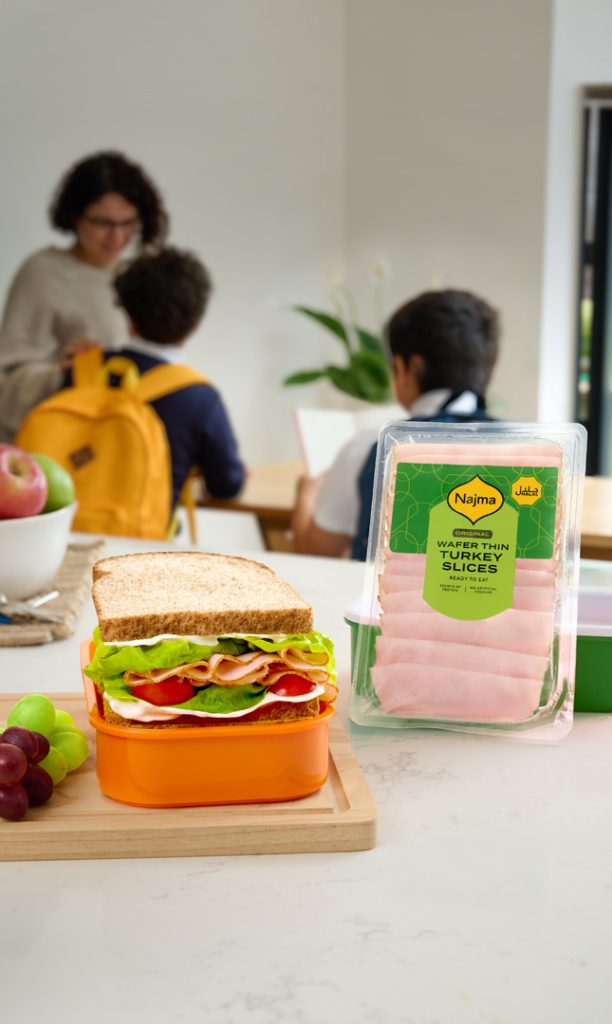
Just like plant-based, where new and exciting brands with big budgets and loud marketing campaigns have brought excitement to the shelves, the same needs to happen in halal. We’ve taken the lead by behaving less tertiary and more like a mainstream brand, developing halal products which are more British in format – for example our halal sliced chicken which can be popped in a sandwich, putting them in bold packaging which appeals to younger Muslim shoppers and investing in strong marketing support. Evidence of our success lies in the fact we’re number one in our category by a large margin – we have a 63 percent share of halal cooked meats – and we are contributing 101 percent of overall category growth.
As market leaders, we think it is a missed opportunity if other brands don’t follow our lead. Some smaller brands have tried, but are struggling with distribution, most likely due to the issues already mentioned. But with retailers’ support they will help bring more halal shoppers to the fixture and to the wider store, thus preventing them from doing some or all of their grocery shopping elsewhere. Which nobody wants.
Karama Khudairi is the Senior Product and Innovation Manager at Golden Acre Foods